Buy alargamiento-de-pene.eu ?
We are moving the project
alargamiento-de-pene.eu .
Are you interested in purchasing the domain
alargamiento-de-pene.eu ?
domain@kv-gmbh.de · 0541-91531010
Buy alargamiento-de-pene.eu ?
Are there techniques for penis enlargement without aids?
Yes, there are techniques for penis enlargement without aids. Some of these techniques include regular exercise, such as pelvic floor exercises and stretching exercises, which can help improve blood flow and increase the size of the penis. Additionally, maintaining a healthy diet and weight can also contribute to overall sexual health and potentially increase penis size. It's important to note that these techniques may not result in significant or permanent enlargement, and it's always best to consult with a healthcare professional before attempting any methods for penis enlargement. **
Cat allergy breed
There is no specific "cat allergy breed," as all cats produce allergens that can trigger allergic reactions in some people. However, some cat breeds are known to produce fewer allergens than others, such as the Balinese, Russian Blue, and Sphynx. Additionally, regular grooming and cleaning of the cat's environment can help reduce allergen levels and minimize allergic reactions in sensitive individuals. It's important for anyone with cat allergies to spend time with different breeds to see which ones they may be less reactive to before bringing a cat into their home. **

Similar search terms for Allergy
Top-Angebote
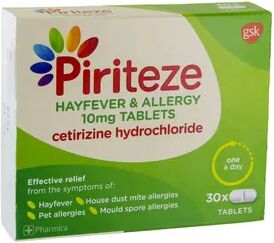
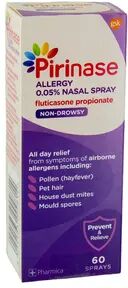
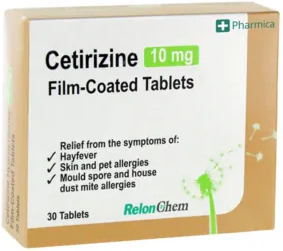
Products related to Allergy:


-
Is penis enlargement harmful?
Penis enlargement procedures can be harmful and carry risks such as infection, scarring, and loss of sensation. Surgical procedures like penile implants or injections can also lead to complications such as erectile dysfunction or deformity. Non-surgical methods like pumps or stretching devices can cause tissue damage if not used properly. It is important to consult with a healthcare professional before considering any form of penis enlargement to understand the potential risks and benefits. **
-
What is an allergy?
An allergy is an immune system response to a substance that is typically harmless to most people. When someone with an allergy comes into contact with the allergen, their immune system overreacts and produces antibodies that trigger the release of chemicals like histamine, causing symptoms such as sneezing, itching, or swelling. Allergies can range from mild to severe, and common allergens include pollen, pet dander, certain foods, and insect stings. **
-
For allergy sufferers: Rats?
Rats can be a concern for allergy sufferers as their dander and urine can trigger allergic reactions. Additionally, rats can carry allergens such as dust mites and mold spores in their fur, exacerbating symptoms for those with allergies. It is important for allergy sufferers to take precautions if they have rats as pets, such as keeping their living environment clean and well-ventilated, and washing their hands after handling them to minimize exposure to allergens. **
-
Allergy or the piercing?
When deciding between getting a piercing or considering potential allergies, it's important to weigh the risks and benefits of each. Allergies can cause discomfort and potentially serious reactions, so it's crucial to be aware of any allergies you may have before getting a piercing. On the other hand, piercings also come with their own set of risks, such as infection or rejection. It's important to thoroughly research both options and consult with a healthcare professional to make an informed decision based on your individual circumstances. **

Is this an allergy?
Without more information about the symptoms and triggers, it is difficult to determine if this is an allergy. Allergies typically involve an immune system response to a specific trigger, such as food, pollen, or pet dander, resulting in symptoms like itching, hives, or difficulty breathing. It is best to consult a healthcare provider for a proper diagnosis and treatment plan. **
Who performs an allergy test?
An allergy test is typically performed by a healthcare provider, such as an allergist or immunologist. These specialists are trained to diagnose and treat allergies and can conduct various tests to identify specific allergens that may be causing a person's symptoms. Allergy tests can involve skin prick tests, blood tests, or oral food challenges, depending on the suspected allergen and the individual's medical history. **
Top-Angebote
Products related to Allergy:
-
Are there techniques for penis enlargement without aids?
Yes, there are techniques for penis enlargement without aids. Some of these techniques include regular exercise, such as pelvic floor exercises and stretching exercises, which can help improve blood flow and increase the size of the penis. Additionally, maintaining a healthy diet and weight can also contribute to overall sexual health and potentially increase penis size. It's important to note that these techniques may not result in significant or permanent enlargement, and it's always best to consult with a healthcare professional before attempting any methods for penis enlargement. **
-
Cat allergy breed
There is no specific "cat allergy breed," as all cats produce allergens that can trigger allergic reactions in some people. However, some cat breeds are known to produce fewer allergens than others, such as the Balinese, Russian Blue, and Sphynx. Additionally, regular grooming and cleaning of the cat's environment can help reduce allergen levels and minimize allergic reactions in sensitive individuals. It's important for anyone with cat allergies to spend time with different breeds to see which ones they may be less reactive to before bringing a cat into their home. **
-
Is penis enlargement harmful?
Penis enlargement procedures can be harmful and carry risks such as infection, scarring, and loss of sensation. Surgical procedures like penile implants or injections can also lead to complications such as erectile dysfunction or deformity. Non-surgical methods like pumps or stretching devices can cause tissue damage if not used properly. It is important to consult with a healthcare professional before considering any form of penis enlargement to understand the potential risks and benefits. **
-
What is an allergy?
An allergy is an immune system response to a substance that is typically harmless to most people. When someone with an allergy comes into contact with the allergen, their immune system overreacts and produces antibodies that trigger the release of chemicals like histamine, causing symptoms such as sneezing, itching, or swelling. Allergies can range from mild to severe, and common allergens include pollen, pet dander, certain foods, and insect stings. **
Similar search terms for Allergy
-
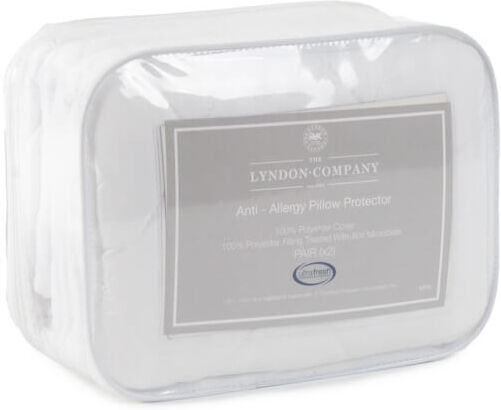
The Lyndon Company Anti-Allergy Pillow ProtectorThe Lyndon Company Anti-Allergy Pillow Protector - sold as a pair and each protector measures approximately 48cm x 74cm. Made with 100% Polyester filling treated with Anti Microbials, added softness and comfort.19,96 £*Shipping: 3,50 £Secure redirect to the provider
-
For allergy sufferers: Rats?
Rats can be a concern for allergy sufferers as their dander and urine can trigger allergic reactions. Additionally, rats can carry allergens such as dust mites and mold spores in their fur, exacerbating symptoms for those with allergies. It is important for allergy sufferers to take precautions if they have rats as pets, such as keeping their living environment clean and well-ventilated, and washing their hands after handling them to minimize exposure to allergens. **
-
Allergy or the piercing?
When deciding between getting a piercing or considering potential allergies, it's important to weigh the risks and benefits of each. Allergies can cause discomfort and potentially serious reactions, so it's crucial to be aware of any allergies you may have before getting a piercing. On the other hand, piercings also come with their own set of risks, such as infection or rejection. It's important to thoroughly research both options and consult with a healthcare professional to make an informed decision based on your individual circumstances. **
-
Is this an allergy?
Without more information about the symptoms and triggers, it is difficult to determine if this is an allergy. Allergies typically involve an immune system response to a specific trigger, such as food, pollen, or pet dander, resulting in symptoms like itching, hives, or difficulty breathing. It is best to consult a healthcare provider for a proper diagnosis and treatment plan. **
-
Who performs an allergy test?
An allergy test is typically performed by a healthcare provider, such as an allergist or immunologist. These specialists are trained to diagnose and treat allergies and can conduct various tests to identify specific allergens that may be causing a person's symptoms. Allergy tests can involve skin prick tests, blood tests, or oral food challenges, depending on the suspected allergen and the individual's medical history. **
* All prices are inclusive of VAT and, if applicable, plus shipping costs. The offer information is based on the details provided by the respective shop and is updated through automated processes. Real-time updates do not occur, so deviations can occur in individual cases. ** Note: Parts of this content were created by AI.