Buy alargamiento-de-pene.eu ?
We are moving the project
alargamiento-de-pene.eu .
Are you interested in purchasing the domain
alargamiento-de-pene.eu ?
domain@kv-gmbh.de · 0541-91531010
Buy alargamiento-de-pene.eu ?
Are there techniques for penis enlargement without aids?
Yes, there are techniques for penis enlargement without aids. Some of these techniques include regular exercise, such as pelvic floor exercises and stretching exercises, which can help improve blood flow and increase the size of the penis. Additionally, maintaining a healthy diet and weight can also contribute to overall sexual health and potentially increase penis size. It's important to note that these techniques may not result in significant or permanent enlargement, and it's always best to consult with a healthcare professional before attempting any methods for penis enlargement. **
Is the cell membrane the same as the membrane?
No, the cell membrane and the membrane are not the same. The cell membrane, also known as the plasma membrane, is a specific type of membrane that surrounds the cell and separates its internal environment from the external environment. On the other hand, the term "membrane" is a more general term that refers to a thin, flexible layer of tissue that can be found in various parts of the body, such as the skin, organs, and blood vessels. While the cell membrane is a type of membrane, not all membranes in the body are cell membranes. **

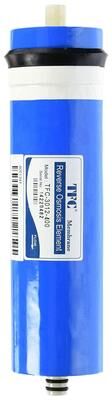
Similar search terms for Membrane
Top-Angebote
Products related to Membrane:
-
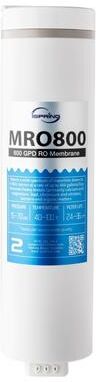
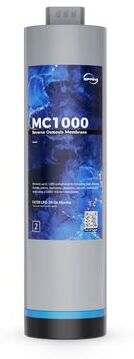
iSpring MC3 300 GPD Commercial Reverse Osmosis Membrane"300GPD Commercial Reverse Osmosis Membrane, tested by independent third-party to meet NSF/ANSI Standard TFC (Thin Film Composite) membrane Rejects wide spectrum of impurities down to . 0001 micron Fits commercial membrane housing that uses 2. 8""x12""…"169,73 $*Shipping: 0,00 $Secure redirect to the provider


-
What are the approximate costs for a nictitating membrane surgery?
The cost of a nictitating membrane surgery can vary depending on the veterinarian, location, and the specific needs of the individual pet. On average, the cost for this type of surgery can range from $300 to $800. It is important to consult with a veterinarian to get an accurate estimate based on the specific circumstances of your pet. **
-
What are the differences between organelles without membrane, organelles with double membrane, and organelles with single membrane?
Organelles without a membrane, such as ribosomes and cytoskeleton, are not enclosed in a membrane and are involved in various cellular functions. Organelles with a double membrane, like the nucleus and mitochondria, have an outer and inner membrane, which allows for compartmentalization and specialized functions within the organelle. Organelles with a single membrane, such as the endoplasmic reticulum and Golgi apparatus, have a single lipid bilayer that separates their internal environment from the rest of the cell, allowing for specific functions and interactions with other organelles. **
-
What is the difference between biomembrane, cell membrane, and double membrane?
The term "biomembrane" is a broad term that refers to any membrane found in living organisms, including cell membranes. The cell membrane, also known as the plasma membrane, is a specific type of biomembrane that surrounds the cell and separates its internal environment from the external environment. A double membrane refers to a structure that consists of two layers of membrane, such as the nuclear envelope or the mitochondria. The double membrane provides additional protection and compartmentalization for the organelles it surrounds. **
-
What is membrane trafficking?
Membrane trafficking is the process by which cellular materials are transported within and between different compartments of a cell. This includes the movement of proteins, lipids, and other molecules in and out of the cell, as well as between different organelles within the cell. Membrane trafficking is essential for maintaining the proper function and organization of the cell, and it plays a crucial role in processes such as cell signaling, nutrient uptake, and waste removal. Dysregulation of membrane trafficking can lead to various diseases, including cancer and neurodegenerative disorders. **

What is the difference between a selective membrane and a permeable membrane?
A selective membrane is a type of membrane that allows only certain substances to pass through while blocking others based on their size, charge, or other properties. On the other hand, a permeable membrane allows all substances to pass through, regardless of their properties. Selective membranes are commonly used in processes like filtration and dialysis to separate specific components, while permeable membranes are more general in their permeability. **
What is the difference between a permeable membrane and a semipermeable membrane?
A permeable membrane allows all substances to pass through it, while a semipermeable membrane only allows certain substances to pass through. Semipermeable membranes are selectively permeable, meaning they only allow specific molecules or ions to pass through based on their size, charge, or other properties. Permeable membranes, on the other hand, do not discriminate and allow all substances to pass through. **
Top-Angebote
Products related to Membrane:
-
Are there techniques for penis enlargement without aids?
Yes, there are techniques for penis enlargement without aids. Some of these techniques include regular exercise, such as pelvic floor exercises and stretching exercises, which can help improve blood flow and increase the size of the penis. Additionally, maintaining a healthy diet and weight can also contribute to overall sexual health and potentially increase penis size. It's important to note that these techniques may not result in significant or permanent enlargement, and it's always best to consult with a healthcare professional before attempting any methods for penis enlargement. **
-
Is the cell membrane the same as the membrane?
No, the cell membrane and the membrane are not the same. The cell membrane, also known as the plasma membrane, is a specific type of membrane that surrounds the cell and separates its internal environment from the external environment. On the other hand, the term "membrane" is a more general term that refers to a thin, flexible layer of tissue that can be found in various parts of the body, such as the skin, organs, and blood vessels. While the cell membrane is a type of membrane, not all membranes in the body are cell membranes. **
-
What are the approximate costs for a nictitating membrane surgery?
The cost of a nictitating membrane surgery can vary depending on the veterinarian, location, and the specific needs of the individual pet. On average, the cost for this type of surgery can range from $300 to $800. It is important to consult with a veterinarian to get an accurate estimate based on the specific circumstances of your pet. **
-
What are the differences between organelles without membrane, organelles with double membrane, and organelles with single membrane?
Organelles without a membrane, such as ribosomes and cytoskeleton, are not enclosed in a membrane and are involved in various cellular functions. Organelles with a double membrane, like the nucleus and mitochondria, have an outer and inner membrane, which allows for compartmentalization and specialized functions within the organelle. Organelles with a single membrane, such as the endoplasmic reticulum and Golgi apparatus, have a single lipid bilayer that separates their internal environment from the rest of the cell, allowing for specific functions and interactions with other organelles. **
Similar search terms for Membrane
-
iSpring MC3 300 GPD Commercial Reverse Osmosis Membrane"300GPD Commercial Reverse Osmosis Membrane, tested by independent third-party to meet NSF/ANSI Standard TFC (Thin Film Composite) membrane Rejects wide spectrum of impurities down to . 0001 micron Fits commercial membrane housing that uses 2. 8""x12""…"169,73 $*Shipping: 0,00 $Secure redirect to the provider
-
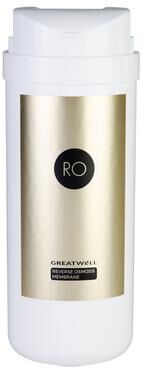
iSpring Greatwell MRO400 400 GPD RO Membrane ReplacementFits Greatwell ROG400 RO system. Package includes one 400 GPD RO membrane with a 1.5:1 pure to drain ratio. It removes up to 99% of over 1,000 contaminants including lead, fluoride, arsenic, asbestos, and more. Lasts up to 3 years.245,99 $*Shipping: 0,00 $Secure redirect to the provider
-
Tonimer Dry Nose Gel for Dry Mucous Membrane 15mLA skin-care product. Dry Nose Gel is a soothing isotonic nasal gel enriched with seawater and physiological pH. It provides hydrating, protective, calming, and fluidifying benefits, making it ideal for addressing severe dryness of the nasal mucosa. Its smooth texture ensures easy application, offering relief from discomfort caused by dry environments, air conditioning, or chronic conditions.14,72 £*Shipping: 4,22 £Secure redirect to the provider
-
What is the difference between biomembrane, cell membrane, and double membrane?
The term "biomembrane" is a broad term that refers to any membrane found in living organisms, including cell membranes. The cell membrane, also known as the plasma membrane, is a specific type of biomembrane that surrounds the cell and separates its internal environment from the external environment. A double membrane refers to a structure that consists of two layers of membrane, such as the nuclear envelope or the mitochondria. The double membrane provides additional protection and compartmentalization for the organelles it surrounds. **
-
What is membrane trafficking?
Membrane trafficking is the process by which cellular materials are transported within and between different compartments of a cell. This includes the movement of proteins, lipids, and other molecules in and out of the cell, as well as between different organelles within the cell. Membrane trafficking is essential for maintaining the proper function and organization of the cell, and it plays a crucial role in processes such as cell signaling, nutrient uptake, and waste removal. Dysregulation of membrane trafficking can lead to various diseases, including cancer and neurodegenerative disorders. **
-
What is the difference between a selective membrane and a permeable membrane?
A selective membrane is a type of membrane that allows only certain substances to pass through while blocking others based on their size, charge, or other properties. On the other hand, a permeable membrane allows all substances to pass through, regardless of their properties. Selective membranes are commonly used in processes like filtration and dialysis to separate specific components, while permeable membranes are more general in their permeability. **
-
What is the difference between a permeable membrane and a semipermeable membrane?
A permeable membrane allows all substances to pass through it, while a semipermeable membrane only allows certain substances to pass through. Semipermeable membranes are selectively permeable, meaning they only allow specific molecules or ions to pass through based on their size, charge, or other properties. Permeable membranes, on the other hand, do not discriminate and allow all substances to pass through. **
* All prices are inclusive of VAT and, if applicable, plus shipping costs. The offer information is based on the details provided by the respective shop and is updated through automated processes. Real-time updates do not occur, so deviations can occur in individual cases. ** Note: Parts of this content were created by AI.