Buy alargamiento-de-pene.eu ?
We are moving the project
alargamiento-de-pene.eu .
Are you interested in purchasing the domain
alargamiento-de-pene.eu ?
domain@kv-gmbh.de · 0541-91531010
Buy alargamiento-de-pene.eu ?
Are there techniques for penis enlargement without aids?
Yes, there are techniques for penis enlargement without aids. Some of these techniques include regular exercise, such as pelvic floor exercises and stretching exercises, which can help improve blood flow and increase the size of the penis. Additionally, maintaining a healthy diet and weight can also contribute to overall sexual health and potentially increase penis size. It's important to note that these techniques may not result in significant or permanent enlargement, and it's always best to consult with a healthcare professional before attempting any methods for penis enlargement. **
'Salts or molecules?'
Salts are compounds formed from the reaction of an acid and a base, while molecules are made up of atoms bonded together. Salts are ionic compounds, meaning they are made up of ions, while molecules can be either ionic or covalent compounds. Salts have a specific crystalline structure and are often soluble in water, while molecules can have a wide range of physical properties and solubilities. Overall, salts and molecules are distinct types of chemical compounds with different structures and properties. **


Similar search terms for Molecules
Top-Angebote
Products related to Molecules:
-
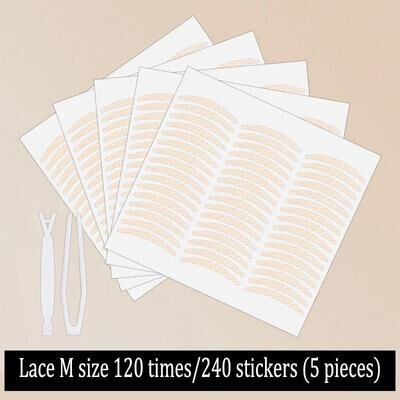
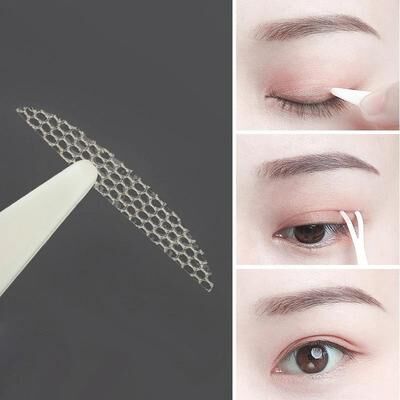
Uplifted Goods Invisible Double Eyelid Lifting Tape For Natural Eye Enhancement cEnhance your natural beauty with these invisible double eyelid lifting patches designed to instantly create a defined crease and lifted look. Made with gentle, skinfriendly adhesive, these patches are ultrathin and blend seamlessly with all skin...34,97 $*Shipping: 0,00 $Secure redirect to the provider
-
Craft Socks from the Toe Up : Essential Techniques and Patterns from Wendy KnitsThis title offers a simple new approach to knitting socks that saves wool and always gives a perfect fit. It features more than 20 fun and beautiful patterns, with a sock for every foot and a pattern for every knitter! It includes how-tos, tips and techniques, as well as the pros and cons behind all the options. Wendy D.Johnson shows knitters a new approach to making socks with "Socks from the Toe Up". This approach will turn even the most reluctant knitter into a toe-up nut, plus it saves wool and always gives a perfect fit. And? No grafting! Wendy provides all the how-tos, tips and techniques need, as well as the pros and cons behind all of the cast-on, toe, heel and bind-off options, gleaned from her years of experience.15,95 £*Shipping: 2,99 £Secure redirect to the provider
-
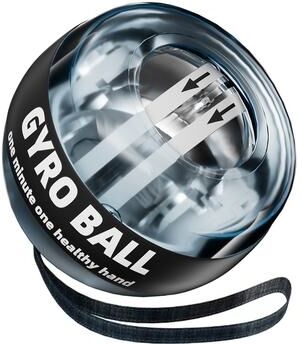
Smart Shopping Spot Self Starting Wrist Gyro Ball Wrist & Forearm Strengthening Trainer For Muscles And Grip Enhancement Self Starting Wrist Gyro Ball Wrist & Forearm Strengthening Trainer For Muscles And Grip EnhancementTransform your strength and endurance with the wrist strengthener that goes beyond traditional exercise methods. The SelfStarting Wrist Gyro Ball is designed for those who seek to improve wrist and forearm power, grip strength, and muscle endurance....39,97 $*Shipping: 0,00 $Secure redirect to the provider
-
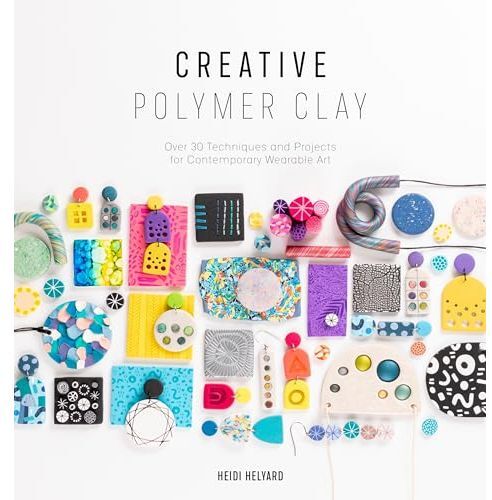
David & Charles Creative Polymer Clay: Over 30 techniques and projects for contemporary wearable artDiscover a world of creative and colourful jewellery making from the comfort of your own home. In this comprehensive guide to modern polymer clay techniques, artist and designer Heidi Helyard reveals the simple techniques that can be used to create one-off, contemporary jewellery pieces with minimal tools and equipment. Polymer clay is possibly one of the most accessible yet versatile art materials currently available. As readily accessible and easy to use as paint, you can make everything (and anything) with it, from sculptures and figurines, to artworks, decorations, homewares, and wearable jewellery. It's lightweight, flexible and strong. No special tools or equipment is required to cure it, it is relatively cheap, and you only need to start with the primary colours, plus black and white, to mix any colour you like. Polymer clay, which has been around for nearly 80 years, is currently finding itself popular amongst contemporary jewellery makers as the bright colours and sheer versatility of the material allows makers to create bold and graphic modern designs. The beauty of polymer clay is that it presents so many opportunities to explore colour combinations, patterns and texture. In this book you will learn 10 easy yet exciting techniques including slab and cane making, marbling and colour mixing, inlay techniques, printing onto clay, surface embellishments and more to create 20 unique jewellery pieces. The projects in this book vary in complexity, but are accessible to both novice and advanced makers alike. If you are a beginner, the extensive step-by-step photos and instructions will help you develop your polymer clay skills and complete the projects with confidence. As you build your skills and learn the techniques via the book, you will realise that you can combine techniques to create all-new results. The skills you learn in this book will open up a limitless world of further experimentation for you to discover. Just make, bake and wear!9,89 £*Shipping: 2,99 £Secure redirect to the provider

-
Which of the following molecules are dipole molecules and why?
Molecules that have a dipole moment are considered dipole molecules. A dipole moment occurs when there is an uneven distribution of electron density within a molecule, resulting in a partial positive and partial negative charge. For example, molecules like water (H2O) and ammonia (NH3) are dipole molecules because of their polar covalent bonds, which create a separation of charge within the molecule. On the other hand, molecules like carbon dioxide (CO2) and methane (CH4) are nonpolar and do not have a dipole moment because the electronegativity of the atoms cancel each other out, resulting in a symmetrical distribution of charge. **
-
What is the difference between compound molecules and element molecules?
Compound molecules are made up of two or more different elements chemically bonded together, such as water (H2O) or carbon dioxide (CO2). Element molecules, on the other hand, are made up of two or more atoms of the same element bonded together, such as oxygen (O2) or nitrogen (N2). In compound molecules, the atoms are different, while in element molecules, the atoms are the same. **
-
Why are water molecules permanent dipoles and carbon dioxide molecules not?
Water molecules are permanent dipoles because they have a bent molecular shape with unequal sharing of electrons between the oxygen and hydrogen atoms. This results in a partial negative charge on the oxygen atom and partial positive charges on the hydrogen atoms, creating a permanent dipole moment. On the other hand, carbon dioxide molecules are not permanent dipoles because they have a linear molecular shape with symmetrical distribution of the two oxygen atoms and the carbon atom. This results in equal sharing of electrons and no permanent dipole moment. **
-
Why do heptan-1-ol molecules and water molecules not mix?
Heptan-1-ol molecules and water molecules do not mix well because heptan-1-ol is a nonpolar molecule, while water is a polar molecule. Nonpolar molecules are not attracted to polar molecules, so they do not easily mix. Additionally, heptan-1-ol is hydrophobic, meaning it repels water, further preventing the two substances from mixing. This is due to the difference in the polarity and intermolecular forces between the two substances. **
How are molecules recognized?
Molecules are recognized through specific interactions between their chemical structures and complementary binding sites on other molecules. This recognition process involves the formation of non-covalent bonds such as hydrogen bonds, van der Waals forces, and electrostatic interactions. The shape, size, and charge distribution of molecules play a crucial role in determining their recognition by other molecules. Additionally, specific functional groups and chemical properties can also contribute to the recognition process. **
How are molecules formed?
Molecules are formed through chemical bonding between atoms. Atoms can either share electrons to form covalent bonds or transfer electrons to form ionic bonds. The type of bonding that occurs depends on the elements involved and their tendency to gain, lose, or share electrons. Once atoms are bonded together, they form a stable structure known as a molecule. **
Top-Angebote
Products related to Molecules:
-
HQ Body: Simple techniques and strategies to heal, reset and restoreUltimate strategies to prevent pain and fuel your body to its fullest health potential. 'James is incredible - he has played a huge role in helping me manage my fitness and recover from injury over the years' David Beckham Simple techniques and strategies to HEAL From stress and anxiety, to everyday wear and tear and injury, life takes its toll on our bodies. Now, internationally renowned osteopath James Davies can help you heal your body. RESET With tips and tricks to help recognise, manage, and treat everyday aches and pains, this book will reset your approach to understanding your body. James presents a revolutionary blueprint for holistic body wellbeing. RESTORE Improve your wellbeing with exercises expertly designed to optimise your body. Enhance your health and mobility by understanding common conditions from arthritis and muscle strains, to IBS and stress, and empower yourself with the knowledge you need to achieve full-body health18,39 £*Shipping: 2,99 £Secure redirect to the provider
-
Inspired Deals Chin Fill Light LED Live Streaming Light For Jawline And Neck Enhancement Chin Fill Light LED Live Streaming Light For Jawline And Neck EnhancementLook your best on every stream, video call, or content shoot with this Chin Fill Light designed to create a smoother, more flattering appearance. Perfect for creators, influencers, beauty enthusiasts, and remote professionals, it delivers soft, even...44,97 $*Shipping: 0,00 $Secure redirect to the provider
-
Uplifted Goods Invisible Double Eyelid Lifting Tape For Natural Eye Enhancement cEnhance your natural beauty with these invisible double eyelid lifting patches designed to instantly create a defined crease and lifted look. Made with gentle, skinfriendly adhesive, these patches are ultrathin and blend seamlessly with all skin...34,97 $*Shipping: 0,00 $Secure redirect to the provider
-
Craft Socks from the Toe Up : Essential Techniques and Patterns from Wendy KnitsThis title offers a simple new approach to knitting socks that saves wool and always gives a perfect fit. It features more than 20 fun and beautiful patterns, with a sock for every foot and a pattern for every knitter! It includes how-tos, tips and techniques, as well as the pros and cons behind all the options. Wendy D.Johnson shows knitters a new approach to making socks with "Socks from the Toe Up". This approach will turn even the most reluctant knitter into a toe-up nut, plus it saves wool and always gives a perfect fit. And? No grafting! Wendy provides all the how-tos, tips and techniques need, as well as the pros and cons behind all of the cast-on, toe, heel and bind-off options, gleaned from her years of experience.15,95 £*Shipping: 2,99 £Secure redirect to the provider
-
Are there techniques for penis enlargement without aids?
Yes, there are techniques for penis enlargement without aids. Some of these techniques include regular exercise, such as pelvic floor exercises and stretching exercises, which can help improve blood flow and increase the size of the penis. Additionally, maintaining a healthy diet and weight can also contribute to overall sexual health and potentially increase penis size. It's important to note that these techniques may not result in significant or permanent enlargement, and it's always best to consult with a healthcare professional before attempting any methods for penis enlargement. **
-
'Salts or molecules?'
Salts are compounds formed from the reaction of an acid and a base, while molecules are made up of atoms bonded together. Salts are ionic compounds, meaning they are made up of ions, while molecules can be either ionic or covalent compounds. Salts have a specific crystalline structure and are often soluble in water, while molecules can have a wide range of physical properties and solubilities. Overall, salts and molecules are distinct types of chemical compounds with different structures and properties. **
-
Which of the following molecules are dipole molecules and why?
Molecules that have a dipole moment are considered dipole molecules. A dipole moment occurs when there is an uneven distribution of electron density within a molecule, resulting in a partial positive and partial negative charge. For example, molecules like water (H2O) and ammonia (NH3) are dipole molecules because of their polar covalent bonds, which create a separation of charge within the molecule. On the other hand, molecules like carbon dioxide (CO2) and methane (CH4) are nonpolar and do not have a dipole moment because the electronegativity of the atoms cancel each other out, resulting in a symmetrical distribution of charge. **
-
What is the difference between compound molecules and element molecules?
Compound molecules are made up of two or more different elements chemically bonded together, such as water (H2O) or carbon dioxide (CO2). Element molecules, on the other hand, are made up of two or more atoms of the same element bonded together, such as oxygen (O2) or nitrogen (N2). In compound molecules, the atoms are different, while in element molecules, the atoms are the same. **
Similar search terms for Molecules
-
Smart Shopping Spot Self Starting Wrist Gyro Ball Wrist & Forearm Strengthening Trainer For Muscles And Grip Enhancement Self Starting Wrist Gyro Ball Wrist & Forearm Strengthening Trainer For Muscles And Grip EnhancementTransform your strength and endurance with the wrist strengthener that goes beyond traditional exercise methods. The SelfStarting Wrist Gyro Ball is designed for those who seek to improve wrist and forearm power, grip strength, and muscle endurance....39,97 $*Shipping: 0,00 $Secure redirect to the provider
-
David & Charles Creative Polymer Clay: Over 30 techniques and projects for contemporary wearable artDiscover a world of creative and colourful jewellery making from the comfort of your own home. In this comprehensive guide to modern polymer clay techniques, artist and designer Heidi Helyard reveals the simple techniques that can be used to create one-off, contemporary jewellery pieces with minimal tools and equipment. Polymer clay is possibly one of the most accessible yet versatile art materials currently available. As readily accessible and easy to use as paint, you can make everything (and anything) with it, from sculptures and figurines, to artworks, decorations, homewares, and wearable jewellery. It's lightweight, flexible and strong. No special tools or equipment is required to cure it, it is relatively cheap, and you only need to start with the primary colours, plus black and white, to mix any colour you like. Polymer clay, which has been around for nearly 80 years, is currently finding itself popular amongst contemporary jewellery makers as the bright colours and sheer versatility of the material allows makers to create bold and graphic modern designs. The beauty of polymer clay is that it presents so many opportunities to explore colour combinations, patterns and texture. In this book you will learn 10 easy yet exciting techniques including slab and cane making, marbling and colour mixing, inlay techniques, printing onto clay, surface embellishments and more to create 20 unique jewellery pieces. The projects in this book vary in complexity, but are accessible to both novice and advanced makers alike. If you are a beginner, the extensive step-by-step photos and instructions will help you develop your polymer clay skills and complete the projects with confidence. As you build your skills and learn the techniques via the book, you will realise that you can combine techniques to create all-new results. The skills you learn in this book will open up a limitless world of further experimentation for you to discover. Just make, bake and wear!9,89 £*Shipping: 2,99 £Secure redirect to the provider
-
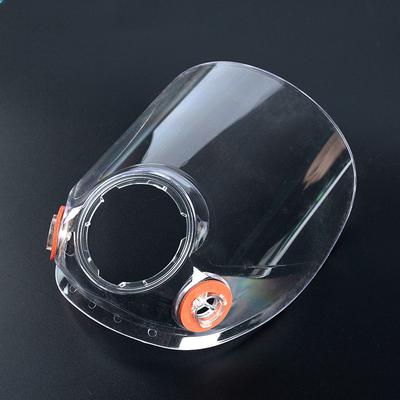
Inspire Daily Merch Screen Headband Accessory For Gas Mask Protective Face Shield Enhancement bUpgrade your 3M gas mask with this durable screen headband accessory, designed to provide enhanced comfort and stability. Whether you're working in industrial settings or handling chemicals, this accessory ensures a secure fit and added protection....39,97 $*Shipping: 0,00 $Secure redirect to the provider
-
Uplifted Goods Invisible Double Eyelid Lifting Tape For Natural Eye Enhancement bEnhance your natural beauty with these invisible double eyelid lifting patches designed to instantly create a defined crease and lifted look. Made with gentle, skinfriendly adhesive, these patches are ultrathin and blend seamlessly with all skin...34,97 $*Shipping: 0,00 $Secure redirect to the provider
-
Why are water molecules permanent dipoles and carbon dioxide molecules not?
Water molecules are permanent dipoles because they have a bent molecular shape with unequal sharing of electrons between the oxygen and hydrogen atoms. This results in a partial negative charge on the oxygen atom and partial positive charges on the hydrogen atoms, creating a permanent dipole moment. On the other hand, carbon dioxide molecules are not permanent dipoles because they have a linear molecular shape with symmetrical distribution of the two oxygen atoms and the carbon atom. This results in equal sharing of electrons and no permanent dipole moment. **
-
Why do heptan-1-ol molecules and water molecules not mix?
Heptan-1-ol molecules and water molecules do not mix well because heptan-1-ol is a nonpolar molecule, while water is a polar molecule. Nonpolar molecules are not attracted to polar molecules, so they do not easily mix. Additionally, heptan-1-ol is hydrophobic, meaning it repels water, further preventing the two substances from mixing. This is due to the difference in the polarity and intermolecular forces between the two substances. **
-
How are molecules recognized?
Molecules are recognized through specific interactions between their chemical structures and complementary binding sites on other molecules. This recognition process involves the formation of non-covalent bonds such as hydrogen bonds, van der Waals forces, and electrostatic interactions. The shape, size, and charge distribution of molecules play a crucial role in determining their recognition by other molecules. Additionally, specific functional groups and chemical properties can also contribute to the recognition process. **
-
How are molecules formed?
Molecules are formed through chemical bonding between atoms. Atoms can either share electrons to form covalent bonds or transfer electrons to form ionic bonds. The type of bonding that occurs depends on the elements involved and their tendency to gain, lose, or share electrons. Once atoms are bonded together, they form a stable structure known as a molecule. **
* All prices are inclusive of VAT and, if applicable, plus shipping costs. The offer information is based on the details provided by the respective shop and is updated through automated processes. Real-time updates do not occur, so deviations can occur in individual cases. ** Note: Parts of this content were created by AI.